
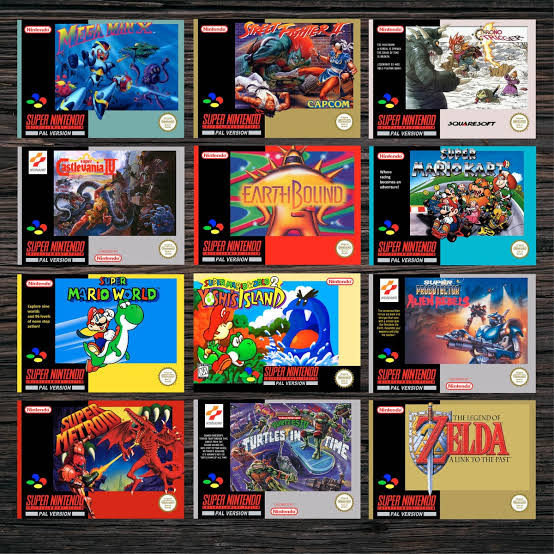
Remember walking into a video game store, looking at a wall of games, and choosing one simply because the artwork on the box caught your attention?
Before YouTube reviews, gameplay trailers, and online shopping, video game box art played a huge role in helping gamers decide what to buy.
Sometimes the artwork gave you a pretty good idea of what to expect. Other times, the game inside looked nothing like the picture on the box.
Either way, those colorful covers became an unforgettable part of gaming history.
When the Box Had to Grab Your Attention
During the 1980s and 1990s, video game stores were filled with colorful boxes competing for attention.
Publishers had only a few seconds to convince someone to pick up a game and take a closer look.
An exciting illustration, an interesting character, or a dramatic scene could make a game stand out from everything else on the shelf.
For many gamers, the cover was their first introduction to a game they had never heard of.
And sometimes, that was all it took to make a sale.
The Artwork Didn't Always Match the Game
One of the funniest things about older video game covers was how different they could look from the actual gameplay.
A game featuring simple pixel characters might have a box showing detailed warriors, monsters, spaceships, or fantasy worlds.
The artwork often represented what the game was trying to bring to life rather than what the graphics could actually display.
Sometimes that made the game seem even more exciting.
Other times, you got home, started playing, and wondered whether the artwork and the game were even related.
Why Japanese and American Covers Looked Different
Some of the most interesting examples of retro game box art come from comparing Japanese and North American releases.
Publishers sometimes changed the artwork to appeal to different audiences.
A character that looked cute or cartoon-like in Japan might be given a more serious or action-oriented appearance for the American market.
One famous example is the original Mega Man for the NES. Its North American cover featured a very different interpretation of the character compared with the Japanese artwork.
Today, those differences have become part of what makes collecting international video game releases so interesting.
Some Covers Became More Famous Than Others
Certain video game covers are instantly recognizable, even decades after their original release.
Think about the artwork on games such as:
-
Super Mario Bros. – A simple but memorable NES cover featuring Mario in action.
-
The Legend of Zelda – The iconic gold packaging that helped make the original NES release stand out.
-
Sonic the Hedgehog – Bright colors and a confident character that perfectly represented Sega's attitude in the early 1990s.
-
Super Metroid – Dramatic science-fiction artwork that captured the atmosphere of the game.
-
Final Fantasy VII – A memorable PlayStation cover featuring Cloud and his enormous sword.
These covers didn't just identify the games. They helped establish the characters and worlds that players still remember today.
The Excitement of Reading the Back of the Box
The front cover might have caught your attention, but the back of the box was where you tried to figure out whether the game was worth buying.
You looked at the screenshots, read the description, and imagined what playing the game would be like.
Sometimes the screenshots were tiny. Sometimes the description promised an adventure that sounded almost too good to be true.
But that was part of the experience.
You couldn't always watch someone play the game before buying it. You had to make a decision based on what you could see and read.
Why Original Game Boxes Still Matter
Today, many retro game collectors appreciate original boxes for more than just their collectible value.
They represent the way video games were originally presented and marketed.
The artwork, logos, screenshots, and descriptions are all part of gaming history.
An original box can bring back memories of standing in a store, saving money for a new game, or finally getting the title you'd been wanting.
And while some collectors prefer complete-in-box games, others simply enjoy owning and playing the original cartridge or disc.
There's no wrong way to appreciate retro gaming.
A Piece of Gaming History Worth Remembering
Video game artwork has changed tremendously over the years.
Today, we can watch trailers, read reviews, and see gameplay footage before deciding whether to purchase a game.
But there was something special about a time when a single illustration could convince you that an incredible adventure was waiting inside the box.
At Game Repair, we've been part of the video game industry for more than 36 years, and we've seen countless games come and go. Some of those original covers are just as memorable today as the games themselves.
Think back to your childhood. Was there ever a video game you bought simply because the artwork on the box looked amazing?